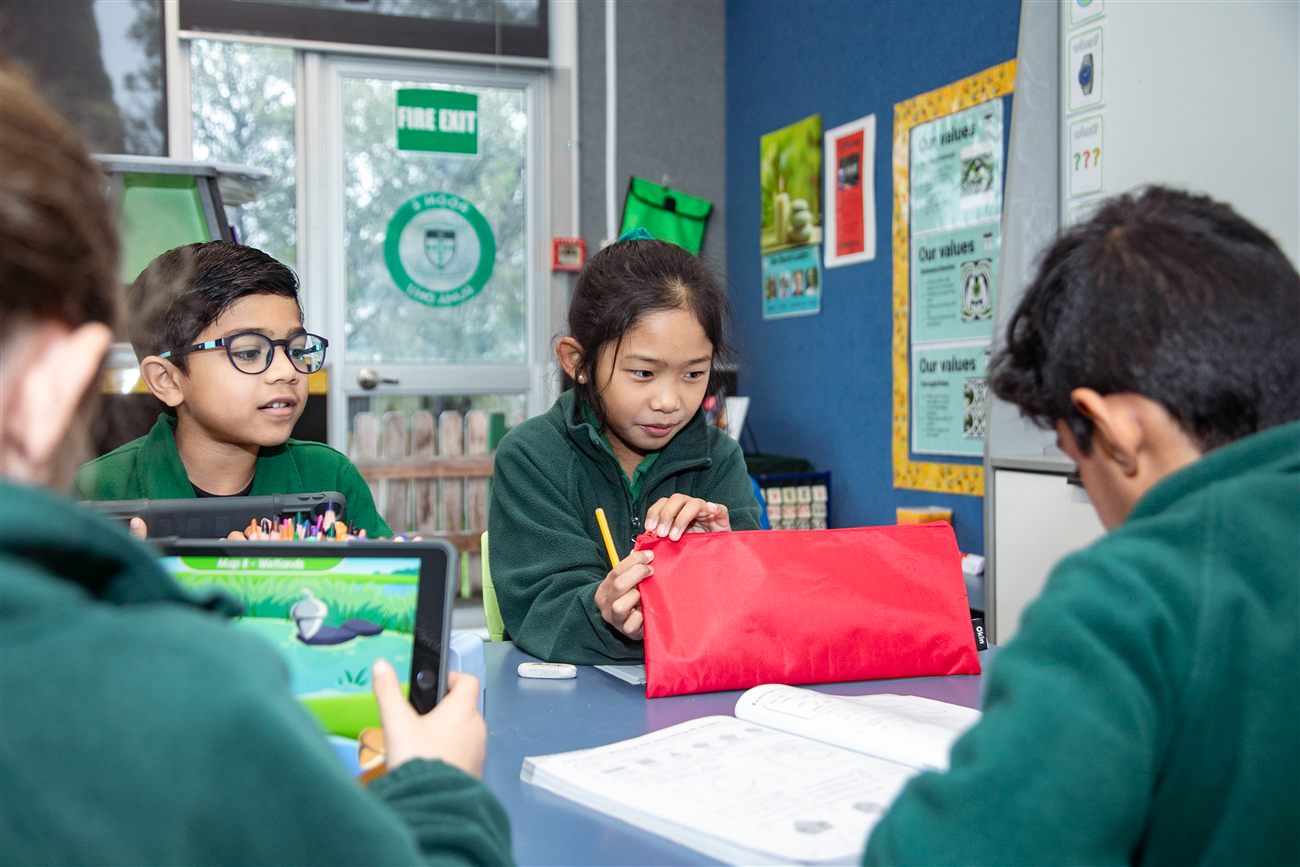
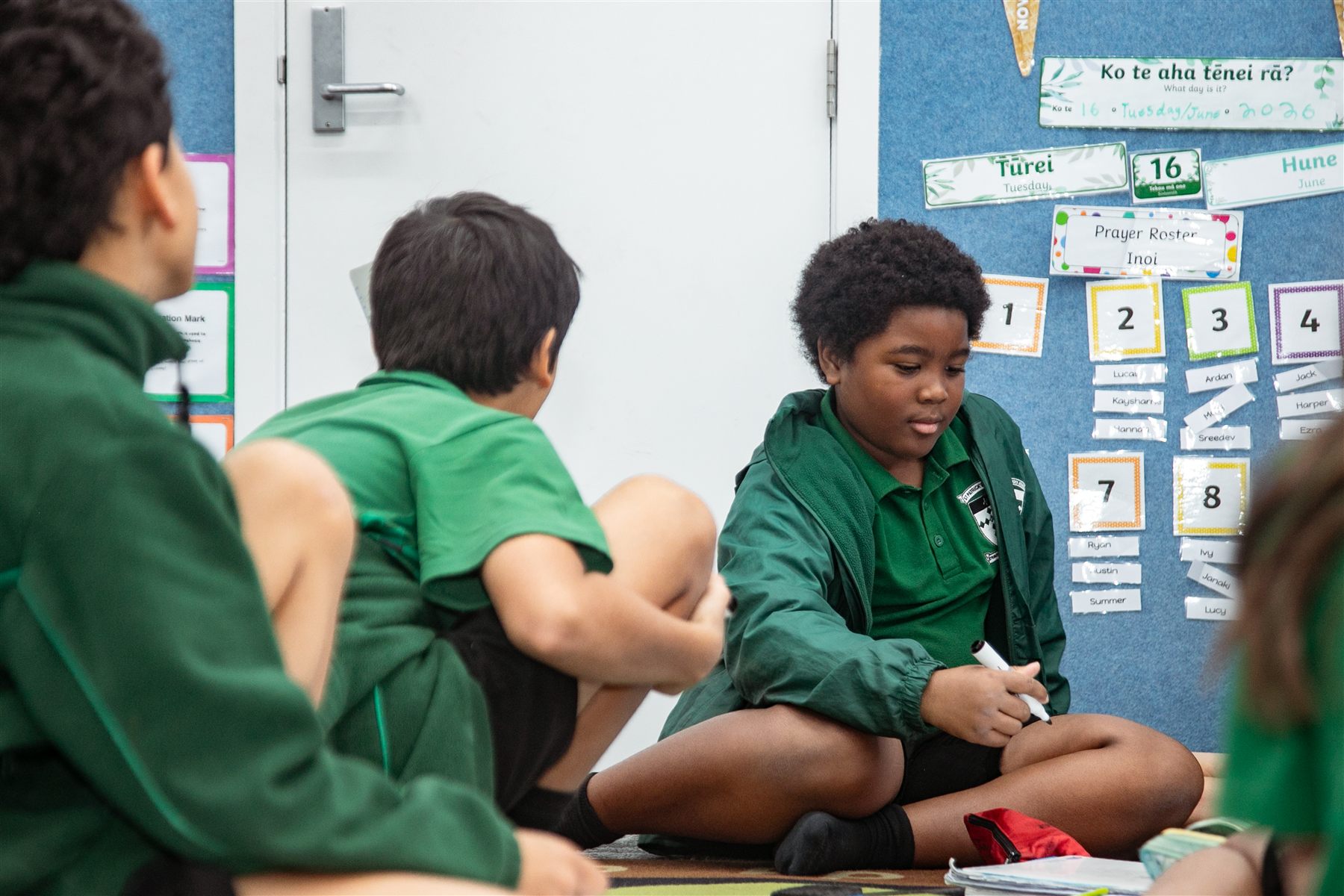
A St Patrick's student working in class beside a noticeboard with the day's date in te reo Māori

Our Curriculum

St Patrick’s provides a broad and balanced curriculum that develops the whole child.

Strong foundations in literacy and mathematics sit alongside learning in Science, Social Sciences, Religious Education, the Arts, Technology, Health and Physical Education, carefully planned so knowledge and skills build progressively as students move through the school.
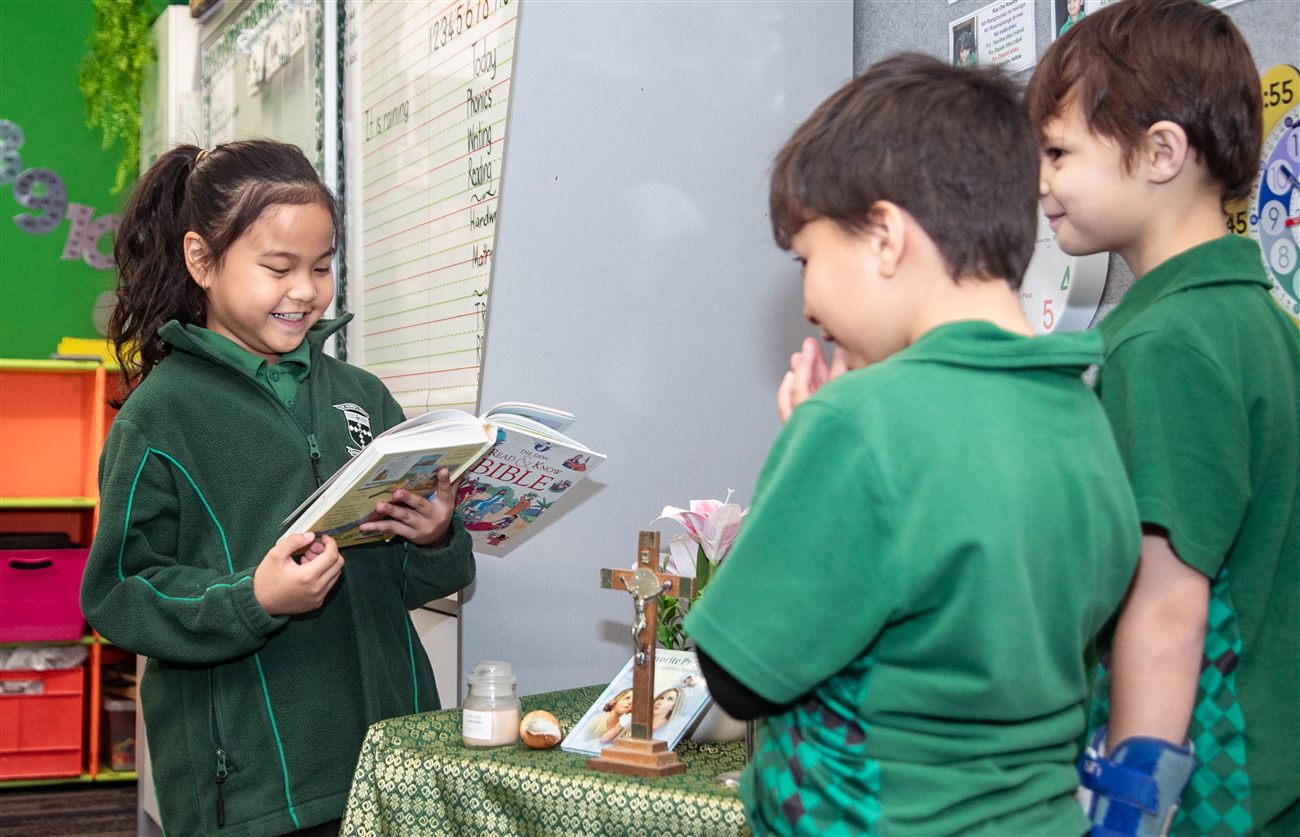
A St Patrick's student reading a Bible beside a small prayer table with a wooden cross and candle, while classmates look on

Faith & Religious Education

Catholic faith sits at the heart of life and learning at St Patrick’s. Religious Education helps students grow in their knowledge and understanding of the Catholic faith, while learning how Gospel values can shape how they treat others and participate in the world around them.

Prayer, liturgy, Scripture, service and participation in the life of the parish and school community complement classroom Religious Education. Students aren’t meant to simply learn about faith, but to experience what it means to live with compassion, justice, kindness and hope.

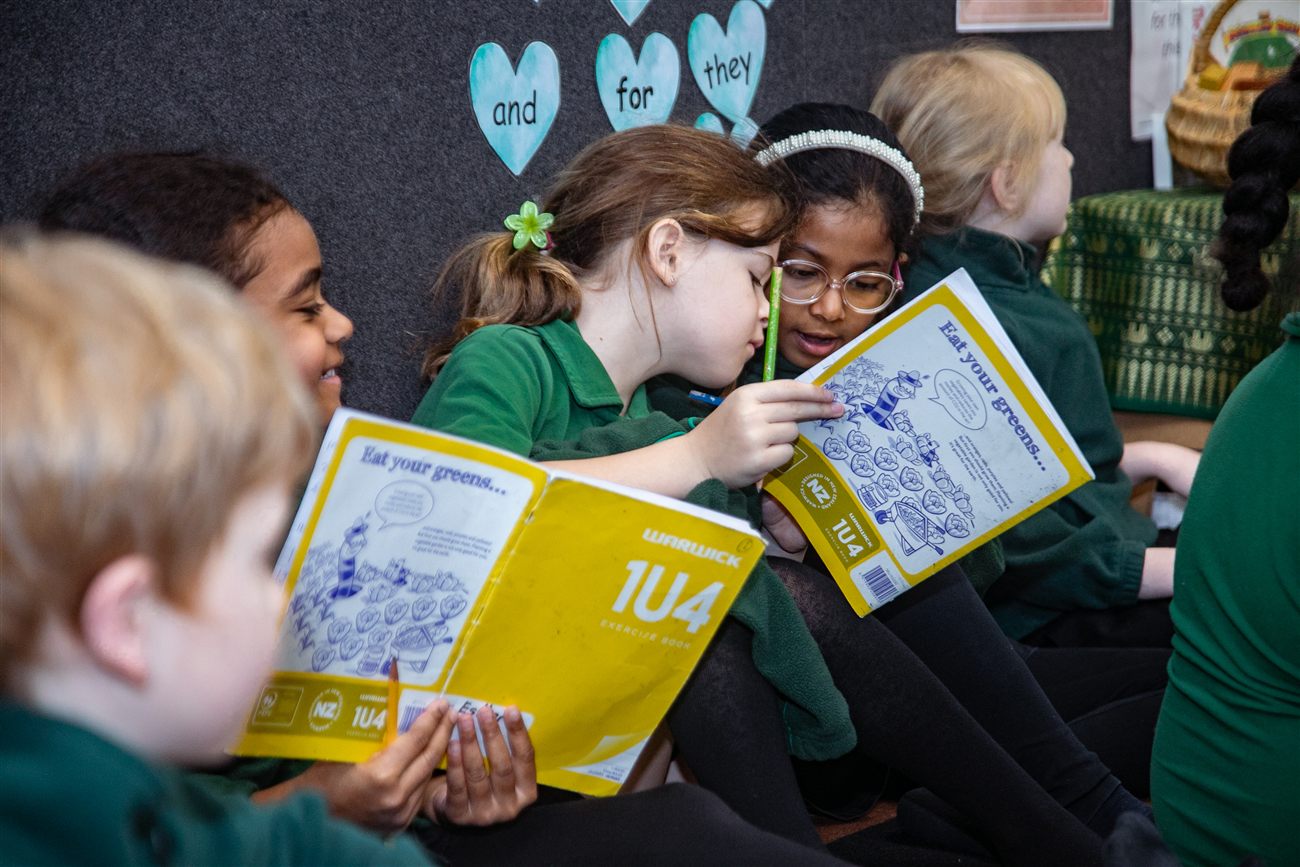
St Patrick's students reading together from their School Journals

Literacy

Every child is supported to become a confident reader, writer, speaker and listener. Structured literacy is taught through BSLA, with explicit and systematic teaching of phonological awareness, phonics, spelling, vocabulary, fluency and comprehension. Writing is strengthened through the Helen Walls approach, covering handwriting fluency, sentence construction, modelling, purposeful composition and timely feedback.

Alongside this explicit teaching, students engage with rich literature, School Journals and a wide range of fiction and non-fiction texts, with oral language, discussion, vocabulary and opportunities to communicate ideas developed deliberately across the curriculum.

St Patrick's students working together at their desk with a tablet and workbook

Mathematics

Mathematics is taught explicitly and progressively, with a focus on strong number knowledge, mathematical understanding, fluency and problem-solving. PRIME, a key Ministry-funded resource, supports coherent teaching and progression, while teachers use assessment information to identify what students understand and what they need to learn next.

Students are encouraged not only to find answers, but to explain their thinking, make connections and apply mathematics in meaningful situations.

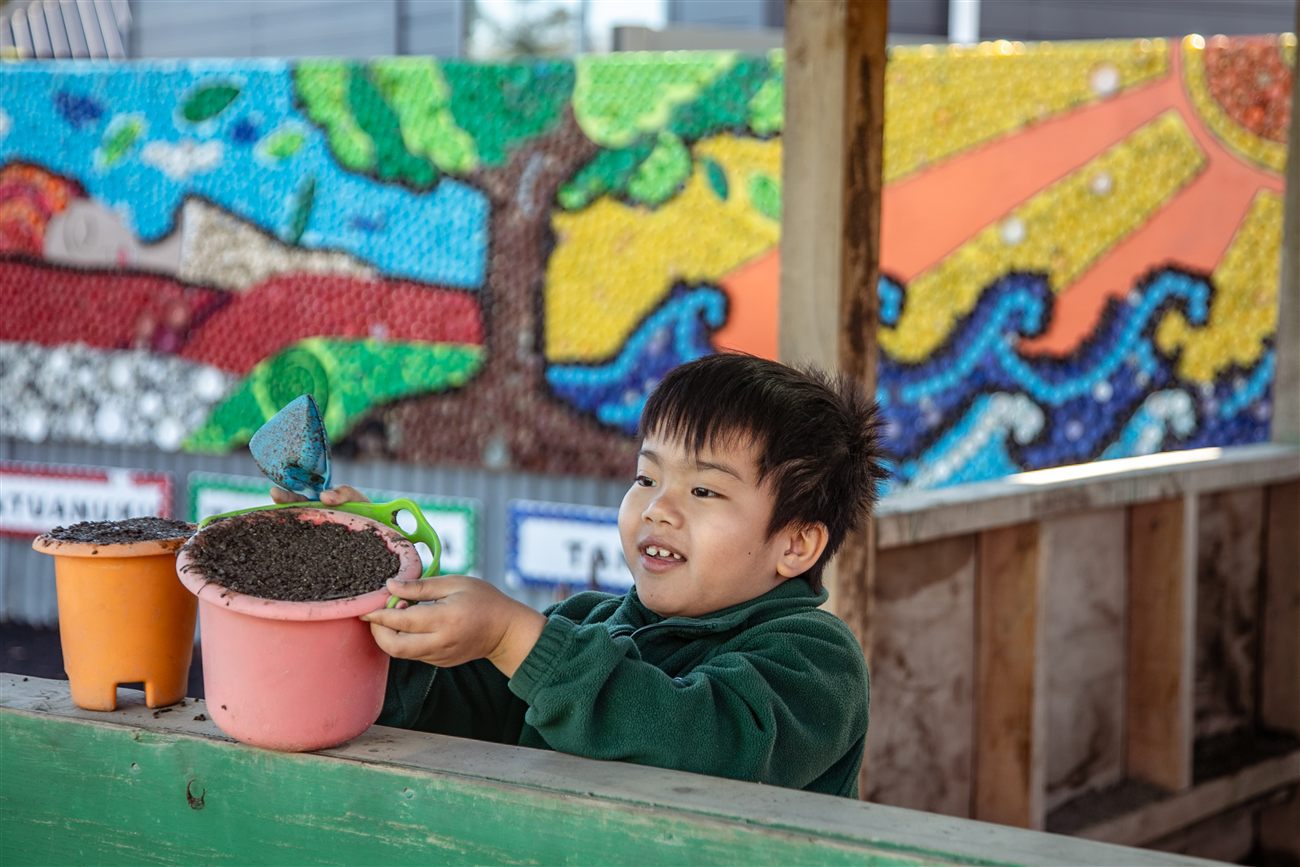
A young St Patrick's student examining potting soil while planting, part of a garden mural backdrop

Science & Social Sciences

Science and Social Sciences programmes are deliberately mapped from year to year, so students build knowledge rather than moving through a collection of unrelated topics.

In Science, students develop curiosity about the natural, physical and material world, learning important scientific knowledge alongside how to observe, investigate, gather evidence and explain what they discover.

In Social Sciences, students learn about people, places, events, societies and systems, building knowledge of Aotearoa New Zealand and the wider world while learning to think critically about evidence, perspectives, change and connections.

Our local curriculum connects learning to Masterton and the Wairarapa, including the knowledge, histories and perspectives of Rangitāne o Wairarapa and Ngāti Kahungunu ki Wairarapa.

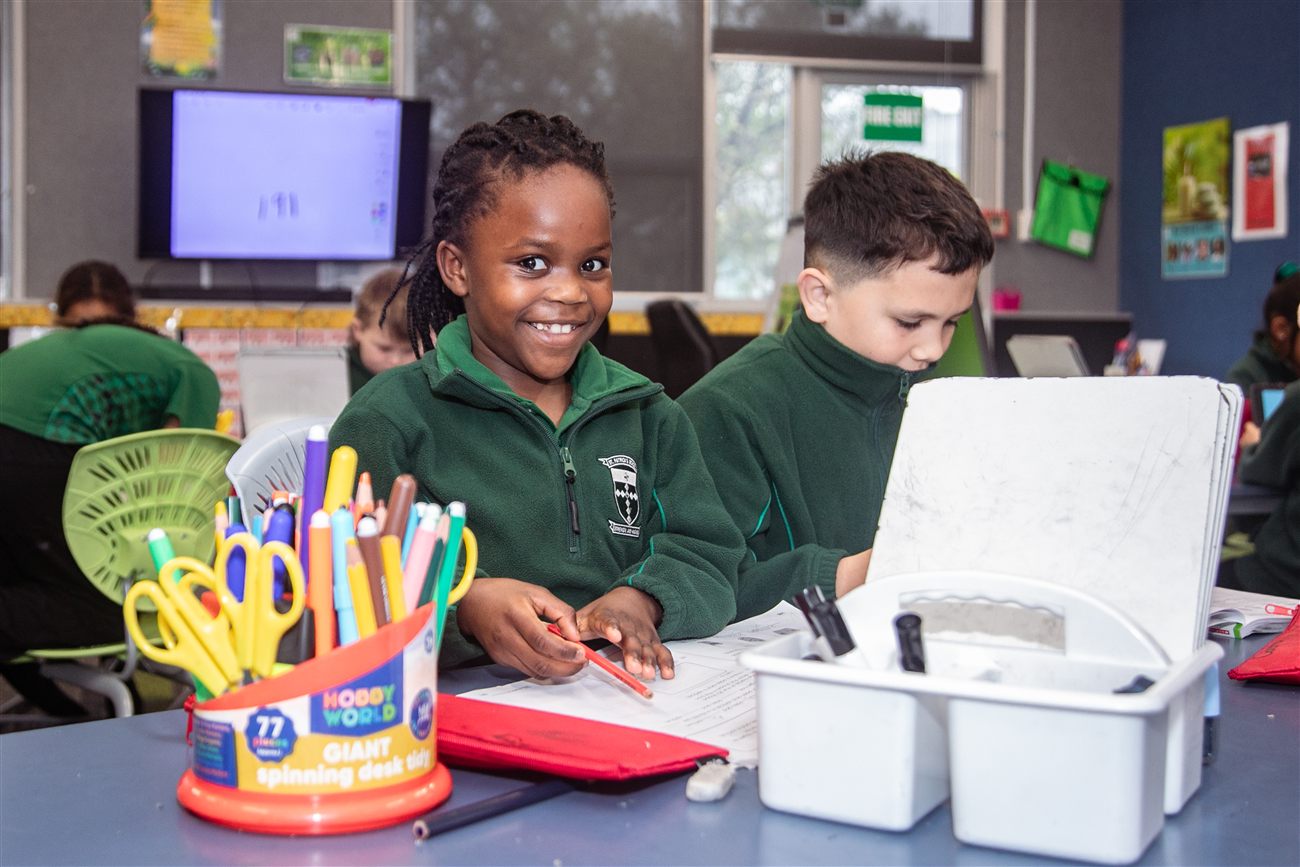
St Patrick's students at a table with craft supplies and colouring pens

The Arts, Culture & Performance

The Arts give students the chance to create, perform, communicate and discover new strengths, with visual art, music, drama and dance complemented by experiences like school shows and performances.

Kapa haka and Polygroup are important parts of school life, giving students the chance to celebrate language, culture, identity and belonging while building confidence, teamwork and performance skills.

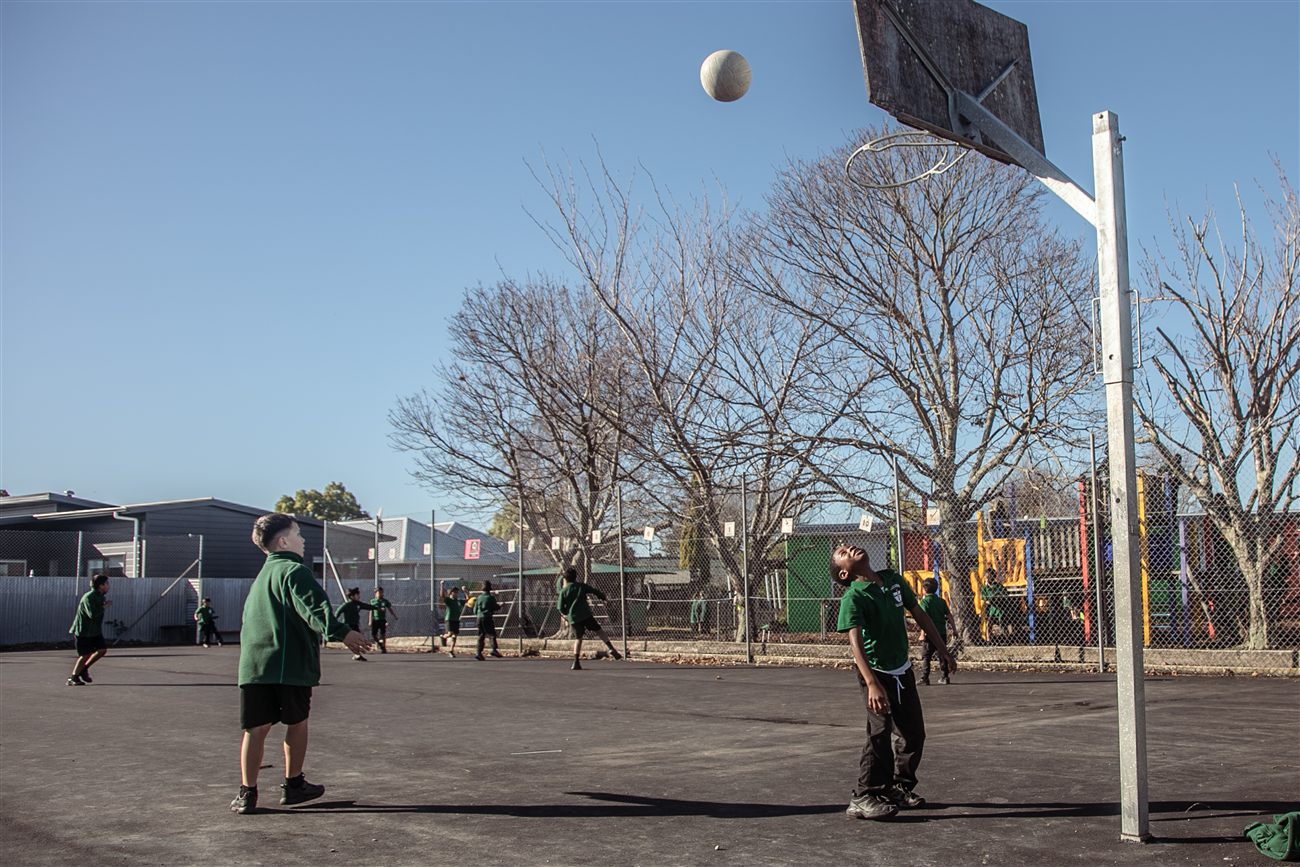
St Patrick's students playing basketball on the school court

Sport, Health & Physical Education

Students experience the enjoyment, challenge and connection that come through physical activity, taking part in Health and Physical Education learning alongside a range of school sports, teams, competitions and sporting opportunities.

Sport offers more than physical development. Students learn perseverance, teamwork, leadership, fairness and how to respond positively to both success and challenge.

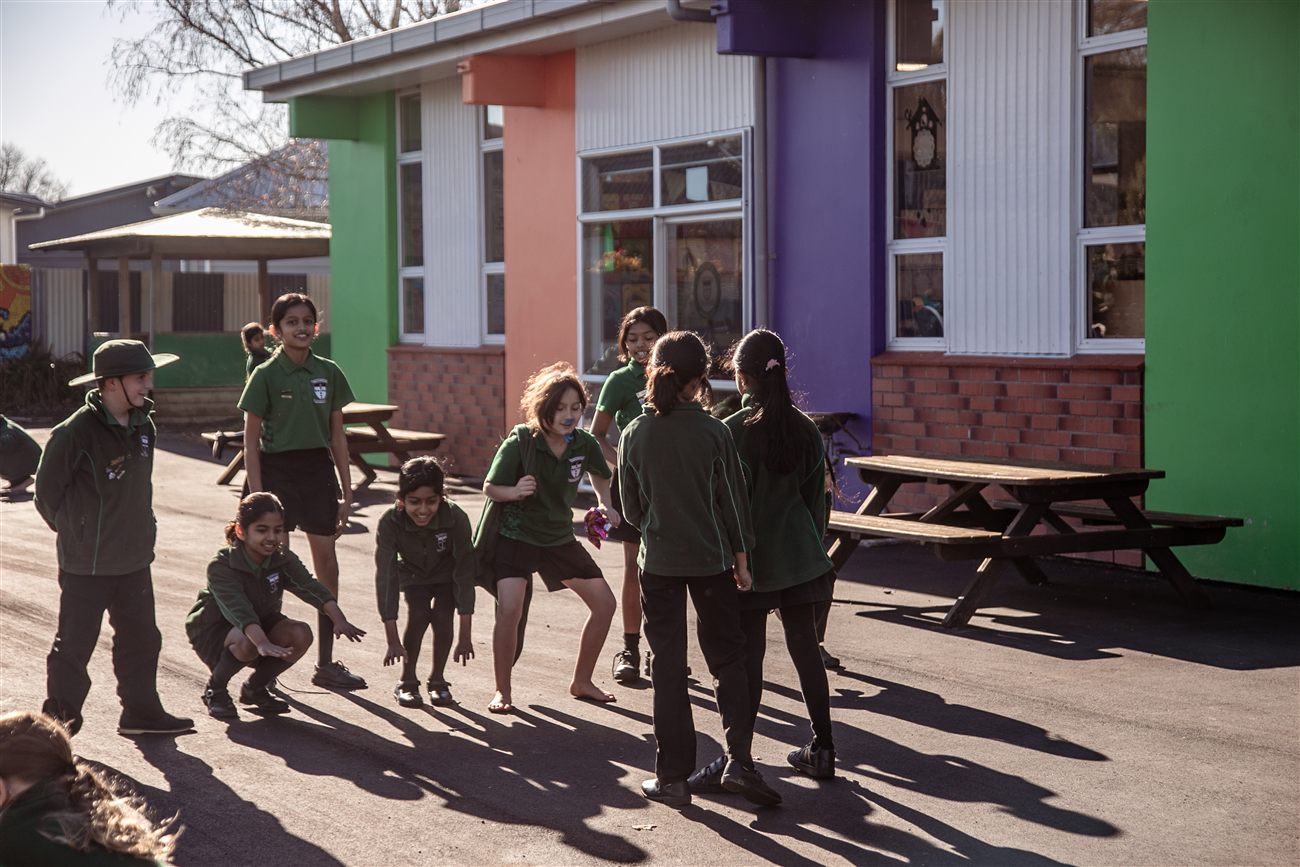
A group of St Patrick's students moving together across the school courtyard past the colourful classroom blocks

Learning Beyond the Classroom

Some of the most powerful learning happens beyond the classroom. Education Outside the Classroom (EOTC) lets students apply their learning in authentic settings, experience new environments, develop independence and learn alongside others.

Explore Beyond the Classroom

Local trips, outdoor experiences and school camps are part of this, alongside wider opportunities such as a Rarotonga trip run jointly with Chanel College, giving students the chance to broaden their horizons, grow in confidence and strengthen relationships.

Bringing It All Together

Across every curriculum area, the aim stays the same. Help students build knowledge, think deeply, communicate confidently, participate fully and use their gifts well.

Success looks different for different people. Some students shine through reading, writing or mathematics, others through science, culture, sport, performance, leadership, creativity or service, and all of it is valued as part of educating the whole person, helping young people grow as capable learners, people of faith and character, and active contributors to their community and world.